1. Introduction
Dementia is a progressive and debilitating condition. While symptoms among individuals differ across dementia types (Alzheimer’s disease and vascular dementia), dementia typically affects memory, cognition, spatial and temporal awareness, communication, behavior, and the ability to undertake activities of daily living
. Approximately one million people are estimated to be living with dementia in the UK
, more than six million in the United States
, and 55 million globally
. Among adults aged 70 and over, dementia is ranked as the third leading cause of death and disability
. As populations age, the number of people affected is expected to increase substantially
. Dementia has consequently been recognized as a public health priority
and remains a growing public health concern
| [8] | Livingston, G., Huntley, J., Liu, K. Y., Costafreda, S. G., Selbæk, G., Alladi, S., Ames, D., Banerjee, S., Burns, A., Brayne, C. and Fox, N.C. Dementia prevention, intervention, and care: 2024 report of the Lancet standing Commission. The Lancet. 2024, 4404, 572-628.
https://doi.org/10.1016/S0140-6736(24)01296-0 |
[8]
. It also carries substantial financial costs. In the United States, for example, the total monetary cost of dementia was estimated at approximately US$200 billion in 2010
| [9] | Hurd, M. D., Martorell, P., Delavande, A., Mullen, K. J., Langa, K. M. Monetary costs of dementia in the United States. New England Journal of Medicine. 2013, 368(14), 1326-34. https://doi.org/10.1056/NEJMsa1204629 |
[9]
.
Much of the day-to-day support required by people living with dementia is provided by unpaid family members and friends
| [10] | Brimblecombe, N. Fernandez, J. L., Knapp, M., Rehill, A., Wittenberg, R. Review of the international evidence on support for unpaid carers. Journal of Long-Term Care. 2018, September, 25-40. https://doi.org/10.21953/lse.ffq4txr2nftf |
[10]
. Although experiences differ according to individual, relational, and contextual circumstances, dementia can have pervasive effects on the everyday lives of both people living with the condition and those who support them
. Reported challenges include reduced social connectedness
, disruption to employment
, changes in personal relationships
| [14] | Hochgraeber, I., Köhler, K., Stöcker, H., Holle, B. The dyadic relationship of family carers and people living with dementia-an umbrella review. Aging & Mental Health. 2023, 27(10), 1965-1974. https://doi.org/10.1080/13607863.2023.2215191 |
[14]
, and adverse effects on emotional and physical wellbeing
| [15] | Zhang, J., Wang, J., Liu, H., Wu, C. Association of dementia comorbidities with caregivers’ physical, psychological, social, and financial burden. BMC Geriatrics. 2023, 23(1).
https://doi.org/10.1186/s12877-023-03774-9 |
[15]
. Reliance on unpaid care can therefore create significant practical, emotional, social, and financial pressures for families.
Formal services can help those living with dementia and family carers to respond to these challenges. Social-care provision
| [10] | Brimblecombe, N. Fernandez, J. L., Knapp, M., Rehill, A., Wittenberg, R. Review of the international evidence on support for unpaid carers. Journal of Long-Term Care. 2018, September, 25-40. https://doi.org/10.21953/lse.ffq4txr2nftf |
| [16] | Prendergast, L., Toms, G., Seddon, D., Tudor Edwards, R., Anthony, B., Jones, C. ‘It was just-everything was normal’: outcomes for people living with dementia, their unpaid carers, and paid carers in a Shared Lives day support service. Aging & Mental Health. 2023, 27(7), 1282-1290.
https://doi.org/10.1080/13607863.2022.2098921 |
[10, 16]
, training and educational interventions
| [17] | Novotni, G., Taneska, M., Novotni, A., Fischer, J., Iloski, S., Ivanovska, A., Dimitrova, V., Novotni, L., Milutinović, M., Joksimoski, B., Chorbev, I., Hasani, S., Dogan, V., Grimmer, T., Kurz, A. North Macedonia interprofessional dementia care (NOMAD) - personalized care plans for people with dementia and caregiver psychoeducation delivered at home by interprofessional teams. Frontiers in Dementia.2024, 10 (3), 1391471. https://doi.org/10.3389/frdem.2024.1391471 |
[17]
, and support groups
| [18] | Carter, G., Monaghan, C., Santin, O. What is known from the existing literature about peer support interventions for carers of individuals living with dementia: A scoping review. Health and Social Care in the Community. 2020, 28(4), 1134-1151.
https://doi.org/10.1111/hsc.12944 |
[18]
have the potential to improve wellbeing, particularly when they strengthen service users’ sense of agency
| [19] | Robertson, K. J., Thyne, M., Matheson, I. Barriers and facilitators of using dementia community support services provided by an Alzheimer’s organization. Health & Social Care in the Community. 2022, 30(6), 2353-2361.
https://doi.org/10.1111/hsc.13796 |
[19]
. Nevertheless, timely access to appropriate care and support remains difficult for many
| [20] | Dooley, J., Webb, J., James, R., Davis, H., Read, S. Everyday experiences of post-diagnosis life with dementia: A co-produced photography study. Dementia. 2021, 20(6), 1891-1909. https://doi.org/10.1177/1471301220973632 |
| [21] | Sorrentino, M., Fiorilla, C., Mercogliano, M., Stilo, I., Esposito, F., Moccia, M., Lavorgna, L., Salvatore, E., Sormani, M.P., Majeed, A., Triassi, M. Barriers for access and utilization of dementia care services in Europe: a systematic review. BMC Geriatrics. 2025, 25(1), 162.
https://doi.org/10.1186/s12877-025-05805-z |
[20, 21]
. Reported barriers include reductions in social care funding
, limited availability of specialist provision
| [23] | Martinsson, L., Lundström, S., Sundelöf, J. End-of-life care in patients with dementia vs cancer. PLoS One. 2018, 13(7), e0201051. https://doi.org/10.1371/journal.pone.0201051 |
| [24] | Van Dinther, K., Javanparast, S. Voices of unpaid carers: problems and prospects in accessing palliative care and self-care information, resources and services. Palliative Care and Social Practice. 2024,18.
https://doi.org/10.1177/26323524241255386 |
[23, 24]
, and concerns among those living with dementia and their families about losing control over care decisions
| [25] | Stephan, A., Bieber, A., Hopper, L., Joyce, R., Irving, K., Zanetti, O. Barriers and facilitators to the access to and use of formal dementia care. BMC Geriatrics. 2018, 18(1)
https://doi.org/10.1186/s12877-018-0816-1 |
[25]
.
Delays in obtaining support can adversely affect both people living with dementia and family carers
| [21] | Sorrentino, M., Fiorilla, C., Mercogliano, M., Stilo, I., Esposito, F., Moccia, M., Lavorgna, L., Salvatore, E., Sormani, M.P., Majeed, A., Triassi, M. Barriers for access and utilization of dementia care services in Europe: a systematic review. BMC Geriatrics. 2025, 25(1), 162.
https://doi.org/10.1186/s12877-025-05805-z |
[21]
. Delays may also reduce the likelihood that a person living with dementia can maintain independence at home as the condition progresses
| [26] | Dickinson, C., Dow, J., Gibson, G., Hayes, L., Robalino, S., Robinson, L. Psychosocial intervention for carers of people with dementia: What components are most effective and when? International Psychogeriatrics. 2017, 29, 31-43.
https://doi.org/10.1017/S1041610216001447 |
| [27] | Jeste, D. V., Mausbach, B., Lee, E. E. Caring for caregivers/care partners of persons with dementia. International Psychogeriatrics. 2021, 33(4), 307-310.
https://doi.org/10.1017/S1041610221000557 |
| [28] | Terum, T. M., Testad, I., Rongve, A., Aarsland, D., Svendsboe, E., Andersen, J.R. The association between aspects of carer distress and time until nursing home admission in persons with Alzheimer’s disease and dementia with Lewy bodies. International Psychogeriatrics. 2021, 33(4), 337-345.
https://doi.org/10.1017/S1041610220000472 |
[26-28]
. Access should therefore be understood not as a single point of entry into a service, but as a journey involving the recognition of symptoms, help-seeking, assessment, diagnosis, service navigation, and continuing support. Experiences across this journey may be shaped by interactions among people living with dementia, family members, professionals, and by the organization and availability of services.
Existing research demonstrates the value of including the perspectives of people living with dementia
| [29] | Spinnewijn, L., Aarts, J., Verschuur, S., Braat, D., Gerrits, T., Scheele, F. Hospital ethnography of shared decision making. BMJ Open. 2020, 10(3).
https://doi.org/10.1136/bmjopen-2019-032921 |
[29]
and family carers
| [30] | Van Corven, C. T., Bielderman, A., Lucassen, P. L., Verbeek, H., Lesman-Leegte, I., Depla, M. F., Stoop, A., Graff, M. J., Gerritsen, D. L. Family caregivers’ perspectives on their interaction and relationship with people living with dementia in a nursing home. BMC Geriatrics. 2022, 22(1), 212.
https://doi.org/10.1186/s12877-022-02922-x |
[30]
. However, further attention is needed to examine how these groups experience barriers across the trajectory from the recognition of symptoms to diagnosis and post-diagnostic support. In particular, examining their accounts together can illuminate how interactions with professionals and service systems affect experiences of agency, power, vulnerability, and isolation.
This study examines how people living with dementia and family carers experience the journey from recognizing symptoms and obtaining a diagnosis to accessing post-diagnostic care and support. Drawing on qualitative accounts collected in collaboration with a UK hospice, the study traces experiences from the earliest recognition of symptoms through to engagement with ongoing support services. The findings demonstrate that this journey is frequently marked by delays, barriers to access, struggles for recognition and support, and the emotional burden of uncertainty and isolation. They also show the value of timely relationship-based interventions, with peer support emerging as an important resource for carers. Overall, the study highlights substantial shortcomings in current service provision and argues for a more integrated and person-centered approach to dementia care that better supports both individuals living with dementia and the family members who care for them.
2. Materials and Methods
2.1. Ethics
Given the biophysical vulnerability of this population, ethical issues took on elevated scrutiny. University ethical approval entailed detailed written documents, and the research team made an in-person defense of the research to the University’s Ethics Committee. All documentation confirmed that the research was opt-in, totally voluntary, anonymous, and confidential. All participants were able to give informed consent.
2.2. Recruitment Procedure
The research was a collaboration between the research team and a hospice unit that until recently has focused on palliative care. In recognition of the need for dementia support, the hospice had begun to offer a 6-week course for people caring for dementia patients. During the sessions, people with dementia are looked after by hospice staff and volunteers, where singing, love to move sessions (chair-based exercises), and craft classes are offered. Clearly, from this perspective, service users comprise both people with dementia and their caregivers. Advertisements detailing the study were placed in the hospice and these provided details of how to participate.
2.3. Data Collection
Participants were given a choice of data collection settings. Some opted for a quiet room in the hospice, some preferred the research team to visit them in their own homes, and a few chose Zoom. With permission, interviews were recorded and transcribed verbatim.
To aid systematic data collection, we adapted the Trajectory Touchpoint Technique
| [31] | Sudbury-Riley, L., Hunter-Jones, P., Al-Abdin, A., Lewin, D., Naraine, M. V. The Trajectory Touchpoint Technique: A Deep Dive Methodology for Service Innovation. Journal of Service Research. 2020, 23(2), 229-251.
https://doi.org/10.1177/1094670519894642 |
[31]
. Touchpoints can be physical, sensorial, symbolic, and social and incorporate service user expectations, barriers, motivators, feelings, and emotions
. The technique involves showing participants images of potential touchpoints that guide systematic data collection as people tell their story. The touchpoint images are presented as rich cartoon pictures, which are particularly appropriate for complex research situations
| [33] | Cristancho, S. M., Helmich, E. Rich pictures: a companion method for qualitative research in medical education. Medical Education. 2019, 53(9), 916-924.
https://doi.org/10.1111/medu.13890 |
[33]
. The range of touchpoints enable rich data collection pertaining to multiple forces and interactions and have been shown to capture and illuminate influences that may otherwise have remained hidden
| [31] | Sudbury-Riley, L., Hunter-Jones, P., Al-Abdin, A., Lewin, D., Naraine, M. V. The Trajectory Touchpoint Technique: A Deep Dive Methodology for Service Innovation. Journal of Service Research. 2020, 23(2), 229-251.
https://doi.org/10.1177/1094670519894642 |
[31]
.
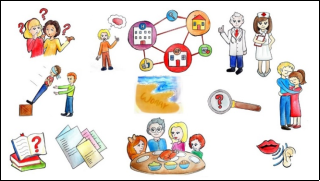
Each image relates to a potential touchpoint within a stage of the journey. Illustrated in
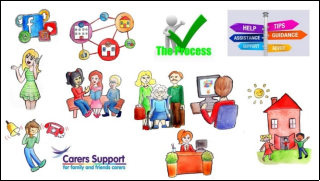
Figure 1, in our case stage 1 comprises diagnosis and relates to concerns, conversations, and visits to doctors and clinics. It is designed to capture their initial concerns, who they turned to for answers, their unanswered questions, and how they felt. Stage 2 covers potential touchpoints during the information seeking and attempts at service access. Here, service access relates to specific dementia-related services. It incorporates those they spoke to, and how easy it was to gain information and access. These images are depicted in
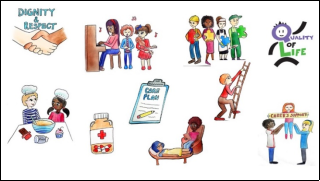
Figure 2. Finally, stage 3 captures dementia-service experiences, both for the person with dementia and their carers.
Figure 3 illustrates these.
Figure 1. Touchpoints at Diagnosis Stage.
Figure 2. Information Seeking and Service Access.
Figure 3. Service Experiences.
The touchpoint images act as an aide memoir, and participants are free to choose all, none, or some of them. They are also free to talk about any touchpoints they found important that were not contained in the sets of images we offered to them. We stressed to participants that the aim of the conversation was to capture their story, viewing their narrative as a journey from the experiences leading up to diagnosis, through to the present day.
2.4. Sample
We reached saturation at around 30 narratives. The final sample (n =33) comprises 5 persons with dementia while the rest are family caregivers. All participants were White British, most were from higher socioeconomic statuses, and 45% were male.
2.5. Data Analysis
We used manual thematic analysis to analyze the data, following the stages and processes suggested by Braun and Clarke
. Analysis was conducted iteratively, with researchers moving back and forth between the data, codes, and emerging themes to refine interpretations and ensure that the themes remained grounded in participants’ accounts. Initial codes were generated from the dataset and subsequently reviewed, compared, and consolidated into broader themes. Through repeated engagement with the data, themes were refined and developed until a coherent thematic structure was achieved, capturing patterns of meaning relevant to each stage of the journey.
3. Results
3.1. Diagnosis Seeking
The first stage of the dementia journey centered on recognizing changes in cognition or behavior and seeking a formal diagnosis. Initial concerns were most commonly identified by family members or future carers, who often initiated conversations with the person affected and encouraged engagement with healthcare services. However, even family members were often reluctant to fully admit that there was a problem. This reluctance is typical for so-called negative services
, which exist to fix people or things, often when the problems are serious and non-routine
. Further delays were caused when, even when family members accepted the problem, the person with dementia typically refused to acknowledge any difficulties whatsoever.
Participants described turning primarily to GPs and memory services for answers, although experiences of accessing assessment and diagnosis were also frequently characterized by uncertainty and delay. Reflective of previous findings
| [20] | Dooley, J., Webb, J., James, R., Davis, H., Read, S. Everyday experiences of post-diagnosis life with dementia: A co-produced photography study. Dementia. 2021, 20(6), 1891-1909. https://doi.org/10.1177/1471301220973632 |
| [21] | Sorrentino, M., Fiorilla, C., Mercogliano, M., Stilo, I., Esposito, F., Moccia, M., Lavorgna, L., Salvatore, E., Sormani, M.P., Majeed, A., Triassi, M. Barriers for access and utilization of dementia care services in Europe: a systematic review. BMC Geriatrics. 2025, 25(1), 162.
https://doi.org/10.1186/s12877-025-05805-z |
[20, 21]
, many carers reported prolonged diagnostic pathways involving repeated consultations over months or years before receiving a diagnosis. In several cases, symptoms were initially attributed to normal ageing, leaving carers with unresolved concerns and unanswered questions regarding the cause of observed changes. As one participant explained,
“this had taken a year plus, we’re going into our second year of me attempting to get some answers” (Carer). One underlying reason for delays at this stage was a perception that medical professionals did not properly listen to family members, often contradicting caregiver insights and not sufficiently valuing their opinions and experiences. A clear power imbalance between provider and service user led to significant delays to diagnosis, and to feelings of frustration and vulnerability among caregivers as they struggled alone. Service user vulnerability can arise from knowledge imbalances
| [37] | Baker, S. M., Gentry, J. W., Rittenburg, T. L. Building Understanding of the Domain of Consumer Vulnerability. Journal of Macromarketing. 2005, 25(2), 128-139
https://doi.org/10.1177/0276146705280622 |
[37]
. The experience that healthcare professionals
“just put it down to ageing” (Carer), despite repeated attempts to seek advice, was typical.
A prominent theme concerned tensions between carers' experiential knowledge and professional assessments. Participants frequently felt that their observations were discounted, despite being those most familiar with the person’s everyday functioning. This generated considerable frustration and uncertainty. One carer reflected, “Nobody really wanted to know… They all said, ‘Well he’s fine’. and there is me back at home thinking, I know it’s a problem” (Carer). Others similarly emphasized that family members possessed valuable insights that were not always recognized within clinical encounters, with medical professionals overruling the lived experiences of family members.
Overall, this stage was characterized by concern, persistence in seeking answers, and frustration with delays and perceived dismissal of family observations. While carers played a central role in recognizing symptoms and navigating access to services, many described feeling unsupported and uncertain during this period.
3.2. Information Seeking and Service Access
Following diagnosis, carers entered a period of actively seeking information and support, often with limited guidance regarding which services were most appropriate to their circumstances. Indeed, a common (though not universal) theme in participant narratives was a substantial gap between receiving a diagnosis of dementia and receiving meaningful, consistent support, a problem documented in previous literature
| [21] | Sorrentino, M., Fiorilla, C., Mercogliano, M., Stilo, I., Esposito, F., Moccia, M., Lavorgna, L., Salvatore, E., Sormani, M.P., Majeed, A., Triassi, M. Barriers for access and utilization of dementia care services in Europe: a systematic review. BMC Geriatrics. 2025, 25(1), 162.
https://doi.org/10.1186/s12877-025-05805-z |
[21]
. The beginning of this period was commonly marked by what carers considered an unsatisfactory interaction during and immediately after the diagnosis, which gave them the sense that they were expected to simply go away and deal with it alone:
“I remember him telling me I’d got to behave like a saint. He didn’t say, “Well, it’s going to be tough,” etc. He said, “you’ve just got to behave like a saint”. That wasn’t very helpful, no. Not very impressed! It seemed to be a case of go on this medication, go away, and live with it” (Carer).
Multiple participants described issues with connectedness, coordination, and communication between different services. Such problems are typical to complex service systems comprising multiple agencies
| [38] | Ellis, L. A., Churruca, K., Braithwaite, J. Mental health services conceptualized as complex adaptive systems: what can be learned? International Journal of Mental Health Systems. 2017, 29(11) 43. https://doi.org/10.1186/s13033-017-0150-6 |
[38]
. Coordination problems impacted the journey, causing delays and frustrations. This situation placed even greater pressure on carers and led to inconsistencies in treatment received. Participants described navigating a complex landscape of dementia-related organizations, charities, social prescribing services, and statutory support, but frequently reported uncertainty about how to identify resources that matched their specific needs. Information was often perceived as generic rather than tailored to the type of dementia, stage of illness, or individual family situation. As one carer questioned,
“There are a lot of things out there. Which one is suitable?” (Carer).
Although information was generally available, many participants felt overwhelmed by the volume of literature provided following diagnosis. Written resources were often experienced as burdensome at a time when families were already coping with significant emotional and practical challenges. Consequently, carers expressed a preference for personalized guidance and opportunities to discuss their circumstances with knowledgeable professionals rather than relying solely on leaflets and websites. One participant reflected that, while information was plentiful, “Nobody did anything practical” (Carer), highlighting the perceived gap between information provision and active support.
A recurring theme was the expectation that carers themselves would coordinate and navigate support pathways. Participants described investing considerable effort in identifying services, establishing contacts, and determining eligibility for support. Digital literacy emerged as an important facilitator of this process, enabling carers to access online resources, condition-specific information, and referral pathways. In contrast, those with limited digital skills often encountered additional barriers and relied heavily on family members, support workers, or service representatives to help them access information and complete referral processes.
Personal networks frequently played a critical role in facilitating access to services. Many participants reported learning about beneficial resources through friends, neighbors, relatives, or professionals already connected to dementia care. Consequently, access to support was often perceived as dependent on informal connections rather than clear, systematic signposting. As one carer observed, “This is the only way you find things out. it’s not a case of what you know, it’s who you know” (Carer). Several participants expressed concern that, without such connections, they may never have become aware of important sources of support.
The interconnectedness of services also influenced experiences of support-seeking. Once carers established contact with a key professional or organization, access to further resources frequently expanded through onward referrals and signposting. However, participants commonly reported fatigue associated with repeatedly contacting different agencies and recounting their circumstances. These experiences suggested limitations in information sharing and coordination across services, resulting in additional emotional and administrative burdens for carers.
Closely linked to information-seeking experiences was a widely reported gap between receiving a diagnosis and accessing meaningful ongoing support. Many participants described diagnosis as a transactional event that provided a label and, in some cases, medication, but little practical guidance regarding next steps. Carers frequently recalled leaving diagnostic appointments feeling unsupported and uncertain about how to manage the future. One participant described the experience as “this is your diagnosis, go on and get on with it” (Carer), while another reflected that they were “just sent home” and left to investigate support options independently (Carer).
A lack of structured follow-up emerged as another significant concern. Participants felt that proactive contact from healthcare or support services in the weeks and months following diagnosis could have facilitated earlier access to advice, community resources, and psychosocial support. In some cases, carers reported that promised follow-up never materialized, leading to prolonged periods without support and requiring them to reinitiate contact themselves. Such experiences reinforced perceptions of discontinuity within the care pathway. Importantly, participants emphasized that delayed awareness of available services could have lasting consequences. Several carers only discovered valuable resources, including specialist dementia support and educational programs, well after diagnosis and believed that earlier access would have significantly improved their confidence and preparedness. As one participant reflected, the information received through a carers' course “would have been immensely helpful” had it been available earlier in the dementia journey (Carer).
Consistent with clinical literatures
| [23] | Martinsson, L., Lundström, S., Sundelöf, J. End-of-life care in patients with dementia vs cancer. PLoS One. 2018, 13(7), e0201051. https://doi.org/10.1371/journal.pone.0201051 |
| [39] | Heintz, H., Monette, P., Epstein-Lubow, G., Smith, L., Rowlett, S., Forester, B. P. Emerging Collaborative Care Models for Dementia Care in the Primary Care Setting: A Narrative Review. The American Journal of Geriatric Psychiatry. 2020, 28(3), 320-330. https://doi.org/10.1016/j.jagp.2019.07.015 |
[23, 39]
, we identified major gaps in service provision, primarily relating to the wider health and social care system. Caregiver narratives repeatedly highlighted the need for a single point of contact: someone they could turn to throughout the entirety of their journey, who would help them navigate service systems, face challenges as they arose, and help with future planning. Finally, and supporting findings reflected in caregiver surveys
, there is a desperate unfulfilled need for respite for caregivers. Caregivers reported feeling exhausted, burnt-out, and for some, feelings of resentment arose.
Overall, this stage was characterized by a substantial burden of information seeking placed upon carers, who were often required to navigate fragmented service systems with limited guidance. While some participants ultimately accessed extensive networks of support, this frequently depended on personal initiative, digital capability, or fortunate connections rather than systematic and proactive service coordination.
3.3. Experiences of Hospice-Based Services
A major finding was the persistence of misconceptions regarding the role of hospice care. Many participants associated hospice services exclusively with cancer and end-of-life care and were unaware that dementia-specific support was available. As one carer reflected, “I didn’t know then that Hospices had anything to do with dementia. I thought it was really end-of-life terminal cancer care” (Carer). Consequently, participants were unlikely to seek hospice-based support independently and often reported discovering services only through referrals from other organizations, community professionals, or informal networks. Several carers suggested that greater publicity and clearer communication regarding the hospice's dementia offer would facilitate earlier engagement. Routes into the service were varied and often indirect. Although some participants were referred through expected pathways such as primary care or specialist memory services, many learned about the program through carers' organizations, social services, community groups, or personal contacts. These findings further reinforce the importance of effective inter-service signposting within dementia care pathways.
Participants frequently described feelings of surprise and relief upon first engaging with hospice services. Expectations of a clinical or end-of-life environment were often challenged by experiences of a welcoming, non-medical setting that promoted comfort and dignity. One carer described the environment as “a pleasant surprise that it wasn’t clinical in any way. it was relaxing” (Carer). Initial apprehension about whether services would be relevant or beneficial typically diminished once participants observed the supportive atmosphere and activities provided for both carers and people living with dementia.
However, echoing experiences reported earlier in the care journey, some participants felt overwhelmed by the volume of information provided during their initial engagement. While carers ultimately valued much of the content, some described difficulty identifying immediately relevant information, particularly when their relative was at an earlier stage of dementia.
Nevertheless, participants were overwhelmingly positive about the quality of care provided by hospice staff and volunteers. Staff were characterized as kind, approachable, and sensitive to the needs of both carers and people living with dementia. Importantly, participants valued the service's recognition that dementia experiences differ substantially between individuals. This emphasis on person-centered care contrasted with previous experiences of generic information and standardized approaches elsewhere. Indeed, a key strength of the program was its ability to accommodate diverse preferences, abilities, and disease stages. While many participants highlighted the benefits of social interaction, music, and structured activities, carers also noted that activities were not universally suitable. Experiences demonstrated the importance of tailoring support to individual personalities, interests, and levels of cognitive impairment. As one participant observed, “there isn’t a one size fits all” (Carer). Participants also valued opportunities for meaningful stimulation and social engagement for people living with dementia. Several carers felt that such opportunities were as important as, or in some cases more important than, medical interventions. One carer reflected that “the stimulus side is probably more important than the medication” (Carer), emphasizing the perceived contribution of social and cognitive engagement to wellbeing.
The carers' education program emerged as one of the most highly valued aspects of hospice support. Participants consistently described the course as informative, comprehensive, and practically useful, providing knowledge that was often unavailable elsewhere. The program helped carers better understand dementia, navigate available services, and prepare for future challenges. One participant noted that there were “even more things that I didn’t know” despite already having several years of caring experience (Carer). The course was particularly valued for bringing together information on clinical, legal, financial, and practical issues in a single setting. Participants highlighted the usefulness of learning about services such as Specialized Dementia Nursing, safety planning, care navigation, and symptom progression. Equally important was the opportunity to contextualize and normalize their experiences through discussions with knowledgeable facilitators and other carers. Participants also particularly valued discussions relating to advanced dementia and end-of-life care. While emotionally challenging, information regarding disease progression, swallowing difficulties, care planning, and future decision-making was perceived as highly beneficial. However, a small number of carers felt insufficiently prepared for the realities of end-stage dementia and bereavement, illustrating the difficulty of addressing these topics while balancing informational and emotional needs.
The program's contribution to carer wellbeing extended beyond information provision. Caring responsibilities were commonly described as relentless, with participants reporting feelings of responsibility, guilt, exhaustion, and social isolation, all of which reflect previous well-documented caregiver burdens
| [12] | Lindeza, P., Rodrigues, M., Costa, J., Guerreiro, M. Impact of dementia on informal care: perceptions of caregivers. BMJ Supportive & Palliative Care 2024, 14, e38-e49.
https://doi.org/10.1136/bmjspcare-2020-002242 |
| [13] | Brimblecombe, N. The consequences for unpaid carers of unmet need for long-term care services in England. International Journal of Care and Caring. 2023, 7 (1), 114-130.
https://doi.org/10.1332/239788222X16546112844546 |
| [14] | Hochgraeber, I., Köhler, K., Stöcker, H., Holle, B. The dyadic relationship of family carers and people living with dementia-an umbrella review. Aging & Mental Health. 2023, 27(10), 1965-1974. https://doi.org/10.1080/13607863.2023.2215191 |
| [15] | Zhang, J., Wang, J., Liu, H., Wu, C. Association of dementia comorbidities with caregivers’ physical, psychological, social, and financial burden. BMC Geriatrics. 2023, 23(1).
https://doi.org/10.1186/s12877-023-03774-9 |
[12-15]
. Many carers struggled to prioritize their own needs and found it difficult to attend appointments, socialize, or take breaks due to concerns about leaving their relative unattended. Hence, a particularly valued feature of the hospice model was the simultaneous provision of support for people living with dementia while carers attended educational sessions. This arrangement enabled carers to participate fully while remaining confident that their relative was safe, engaged, and enjoying meaningful activities. One participant commented,
“I wouldn’t have gone on it if I couldn’t have brought her” (Carer), illustrating how essential this provision was for access. Likewise, peer support emerged as a key benefit of the caregiver course and other social groups, helping to mitigate experiences of isolation and being cut off from existing social ties. Our findings support those in the clinical literature pertaining to the often-unmet social needs of caregivers
. Often, connections were maintained after courses ended, providing a much-needed longer-term source of mutual support.
The only negative but recurring observation was that access to the course often occurred later than would have been ideal. Several participants felt they would have benefited most from receiving this support shortly after diagnosis. Although the information remained valuable, some described the course as confirming actions they had already taken rather than shaping earlier decision-making.
Overall, hospice-based dementia services were experienced very positively and were perceived to address several of the gaps identified in earlier stages of the care journey. Participants valued the welcoming environment, person-centered ethos, tailored support, comprehensive educational provision, and opportunities for respite. However, awareness of available services remained limited, access pathways were frequently indirect, and several carers felt that engagement with such support would have been most beneficial had it occurred earlier following diagnosis.
4. Discussion
This study examined the lived experiences of people living with dementia and family carers across the journey from symptom recognition and diagnosis through to accessing support services. The findings reveal a trajectory characterized by delays, uncertainty, fragmented service provision, power imbalances between families and professionals, and substantial emotional burdens for caregivers. At the same time, they demonstrate the transformative value of timely, relationship-based, and person-centered support. Taken together, the findings suggest that challenges experienced by families are not confined to the progression of dementia itself but are significantly amplified by the way support services are organized, communicated, and accessed.
A key contribution of this study is the identification of diagnosis as a prolonged and contested process rather than a discrete clinical event. Consistent with previous research on barriers to diagnosis and care access
| [20] | Dooley, J., Webb, J., James, R., Davis, H., Read, S. Everyday experiences of post-diagnosis life with dementia: A co-produced photography study. Dementia. 2021, 20(6), 1891-1909. https://doi.org/10.1177/1471301220973632 |
| [24] | Van Dinther, K., Javanparast, S. Voices of unpaid carers: problems and prospects in accessing palliative care and self-care information, resources and services. Palliative Care and Social Practice. 2024,18.
https://doi.org/10.1177/26323524241255386 |
| [25] | Stephan, A., Bieber, A., Hopper, L., Joyce, R., Irving, K., Zanetti, O. Barriers and facilitators to the access to and use of formal dementia care. BMC Geriatrics. 2018, 18(1)
https://doi.org/10.1186/s12877-018-0816-1 |
[20, 24, 25]
, participants described lengthy pathways often characterized by repeated consultations, uncertainty, and frustration. However, our findings extend existing literature by illustrating how delays emerge from multiple interacting sources. Initial reluctance among both people with dementia and family members to acknowledge possible symptoms delayed help-seeking, while subsequent interactions with healthcare professionals were frequently perceived as dismissive of family concerns. Family carers often occupied a difficult position whereby they possessed substantial experiential knowledge gained through daily observation but lacked the authority afforded to professional expertise. The resulting imbalance created feelings of powerlessness and vulnerability, reinforcing broader discussions of service user vulnerability arising from knowledge asymmetries in service encounters
| [37] | Baker, S. M., Gentry, J. W., Rittenburg, T. L. Building Understanding of the Domain of Consumer Vulnerability. Journal of Macromarketing. 2005, 25(2), 128-139
https://doi.org/10.1177/0276146705280622 |
[37]
. These findings also resonate with research emphasizing the importance of shared decision-making and collaborative relationships between professionals and families
| [31] | Sudbury-Riley, L., Hunter-Jones, P., Al-Abdin, A., Lewin, D., Naraine, M. V. The Trajectory Touchpoint Technique: A Deep Dive Methodology for Service Innovation. Journal of Service Research. 2020, 23(2), 229-251.
https://doi.org/10.1177/1094670519894642 |
[31]
. Greater recognition of caregiver observations may therefore facilitate earlier diagnosis while simultaneously reducing distress among carers.
Our findings further highlight the limitations of viewing diagnosis as the endpoint of a care pathway. Participants frequently described receiving a diagnosis with little accompanying practical guidance, creating a sense that they had been left to manage alone. This supports previous observations that post-diagnostic support remains one of the weakest components of dementia care provision
| [20] | Dooley, J., Webb, J., James, R., Davis, H., Read, S. Everyday experiences of post-diagnosis life with dementia: A co-produced photography study. Dementia. 2021, 20(6), 1891-1909. https://doi.org/10.1177/1471301220973632 |
| [21] | Sorrentino, M., Fiorilla, C., Mercogliano, M., Stilo, I., Esposito, F., Moccia, M., Lavorgna, L., Salvatore, E., Sormani, M.P., Majeed, A., Triassi, M. Barriers for access and utilization of dementia care services in Europe: a systematic review. BMC Geriatrics. 2025, 25(1), 162.
https://doi.org/10.1186/s12877-025-05805-z |
[20, 21]
. Importantly, the issue was not simply a lack of information. Rather, participants often reported receiving extensive written information that was difficult to process, generic in nature, and insufficiently tailored to their circumstances. This finding challenges assumptions that information provision alone constitutes effective support. Instead, our results suggest that families require guidance that is personalized, staged, and responsive to changing needs over time. The data therefore reinforces arguments for care models that prioritize navigation support and ongoing engagement rather than one-off information delivery
| [39] | Heintz, H., Monette, P., Epstein-Lubow, G., Smith, L., Rowlett, S., Forester, B. P. Emerging Collaborative Care Models for Dementia Care in the Primary Care Setting: A Narrative Review. The American Journal of Geriatric Psychiatry. 2020, 28(3), 320-330. https://doi.org/10.1016/j.jagp.2019.07.015 |
[39]
.
Another important finding concerns the burden placed upon carers to coordinate access across fragmented systems of support. Dementia care typically involves interactions with multiple organizations spanning healthcare, social care, charitable services, and community groups. Consistent with literature describing service systems as complex adaptive networks
| [38] | Ellis, L. A., Churruca, K., Braithwaite, J. Mental health services conceptualized as complex adaptive systems: what can be learned? International Journal of Mental Health Systems. 2017, 29(11) 43. https://doi.org/10.1186/s13033-017-0150-6 |
[38]
, participants frequently reported difficulties understanding how services connected together, who was responsible for particular forms of support, and how to access appropriate resources. Consequently, successful navigation often depended upon personal initiative, digital literacy, and informal social connections. Particularly striking was the perception that access frequently reflected “who you know” rather than a transparent and equitable system of referral. This raises important questions regarding inequalities in access, since those lacking social resources, confidence, or digital competence may face additional disadvantages. The repeated calls for a single point of contact suggest a need for more integrated and coordinated models of dementia care, whereby professional care navigators can support families throughout the disease trajectory.
These findings also contribute to understanding caregiver burden. Existing literature has consistently documented the emotional, physical, social, and financial pressures experienced by dementia carers
| [10] | Brimblecombe, N. Fernandez, J. L., Knapp, M., Rehill, A., Wittenberg, R. Review of the international evidence on support for unpaid carers. Journal of Long-Term Care. 2018, September, 25-40. https://doi.org/10.21953/lse.ffq4txr2nftf |
| [12] | Lindeza, P., Rodrigues, M., Costa, J., Guerreiro, M. Impact of dementia on informal care: perceptions of caregivers. BMJ Supportive & Palliative Care 2024, 14, e38-e49.
https://doi.org/10.1136/bmjspcare-2020-002242 |
| [13] | Brimblecombe, N. The consequences for unpaid carers of unmet need for long-term care services in England. International Journal of Care and Caring. 2023, 7 (1), 114-130.
https://doi.org/10.1332/239788222X16546112844546 |
| [14] | Hochgraeber, I., Köhler, K., Stöcker, H., Holle, B. The dyadic relationship of family carers and people living with dementia-an umbrella review. Aging & Mental Health. 2023, 27(10), 1965-1974. https://doi.org/10.1080/13607863.2023.2215191 |
| [15] | Zhang, J., Wang, J., Liu, H., Wu, C. Association of dementia comorbidities with caregivers’ physical, psychological, social, and financial burden. BMC Geriatrics. 2023, 23(1).
https://doi.org/10.1186/s12877-023-03774-9 |
[10, 12-15]
. While our results confirm these burdens, they additionally illustrate how service deficiencies contribute directly to caregiver strain. Feelings of exhaustion, burnout, resentment, and isolation were not solely consequences of caring responsibilities but were intensified by difficulties obtaining information, navigating support systems, and accessing respite. This distinction is important because it suggests that some sources of caregiver burden are modifiable through improved service design. Supporting carers is therefore not only a matter of addressing the consequences of dementia but also of reducing unnecessary burdens created by fragmented systems of care.
A particularly significant finding relates to the positive experiences reported by participants accessing hospice-based dementia services. Hospices have traditionally been associated with cancer care and end-of-life support, and many participants initially assumed that such services were irrelevant to dementia. This misconception delayed engagement and highlights an important awareness gap within the wider public understanding of dementia support. Once engaged, however, participants consistently described hospice services as welcoming, person-centered, and responsive to individual needs. These findings support growing calls for palliative and supportive approaches to be introduced earlier in the dementia trajectory rather than being reserved solely for end-of-life care
.
The hospice model appeared particularly effective because it addressed several shortcomings identified elsewhere in the care pathway. First, support was tailored rather than generic. Second, carers and people living with dementia were supported simultaneously, enabling caregivers to participate without anxiety regarding the safety and wellbeing of their relatives. Third, the model combined information provision with emotional and social support. The importance of peer support was especially evident. Consistent with previous research
| [18] | Carter, G., Monaghan, C., Santin, O. What is known from the existing literature about peer support interventions for carers of individuals living with dementia: A scoping review. Health and Social Care in the Community. 2020, 28(4), 1134-1151.
https://doi.org/10.1111/hsc.12944 |
[18]
, participants reported that interactions with other carers reduced feelings of isolation, normalized their experiences, and created enduring networks of mutual support. In many cases, these social connections appeared as valuable as the educational content itself. This finding underscores the importance of recognizing social support not as an optional component of dementia services but as a central element of caregiver wellbeing.
The timing of support also emerged as a critical issue. Although participants valued hospice services highly, many felt they had accessed them too late in their caregiving journey. This finding aligns with broader evidence suggesting that earlier interventions can improve preparedness, confidence, coping, and decision-making
| [26] | Dickinson, C., Dow, J., Gibson, G., Hayes, L., Robalino, S., Robinson, L. Psychosocial intervention for carers of people with dementia: What components are most effective and when? International Psychogeriatrics. 2017, 29, 31-43.
https://doi.org/10.1017/S1041610216001447 |
| [27] | Jeste, D. V., Mausbach, B., Lee, E. E. Caring for caregivers/care partners of persons with dementia. International Psychogeriatrics. 2021, 33(4), 307-310.
https://doi.org/10.1017/S1041610221000557 |
| [28] | Terum, T. M., Testad, I., Rongve, A., Aarsland, D., Svendsboe, E., Andersen, J.R. The association between aspects of carer distress and time until nursing home admission in persons with Alzheimer’s disease and dementia with Lewy bodies. International Psychogeriatrics. 2021, 33(4), 337-345.
https://doi.org/10.1017/S1041610220000472 |
[26-28]
. Earlier referral into educational, psychosocial, and respite services may therefore yield benefits not only for caregivers but also for people living with dementia through improved care quality and longer maintenance of independence. The challenge for service providers is consequently not only developing effective interventions but ensuring that families are connected to them at appropriate points within the care trajectory.
Several implications arise from these findings. At a policy level, there is a need for more coordinated dementia pathways that extend beyond diagnosis and incorporate proactive follow-up, service navigation, and integrated support. At a service level, healthcare professionals should place greater emphasis on recognizing caregiver expertise and ensuring carers are active participants in assessment and planning processes. Investment in care navigation roles, respite provision, and caregiver education may also alleviate some of the burdens currently experienced by families. Finally, hospice organizations may benefit from increasing public awareness of their broader role in dementia support, thereby enabling earlier access to valuable services.
This study should be considered in light of several limitations. First, participants were recruited through a single hospice-based dementia support program, and experiences may therefore reflect the characteristics of that service context rather than the full range of dementia care pathways. Second, the sample comprised exclusively White British participants and was largely drawn from more affluent socioeconomic backgrounds, limiting insight into the experiences of ethnically diverse, socioeconomically disadvantaged, or geographically isolated populations who may face different barriers to diagnosis and support. Third, the majority of participants were family carers, with only a small number of people living with dementia included in the sample. Consequently, the findings primarily reflect caregiver perspectives and may not fully capture the lived experiences of those directly affected by dementia. In addition, participants recounted experiences retrospectively, creating the possibility of recall bias and the selective reconstruction of events over time. As with all qualitative research, the aim was to generate rich contextual understanding rather than statistical generalization; therefore, the transferability of findings to other settings, populations, and healthcare systems should be considered with caution.
Future research could extend this work in several ways. Longitudinal studies would improve understanding of how support needs evolve across different stages of dementia and how experiences of access change over time. Comparative studies examining different models of post-diagnostic support may identify service characteristics associated with improved outcomes for both carers and people living with dementia. Future research should also explore the experiences of more diverse populations, including ethnic minority communities, lower socioeconomic groups, and individuals living in rural areas, whose service access challenges may differ substantially from those identified in the present sample. Finally, quantitative studies may be valuable in examining whether early access to navigation, peer-support, and hospice-based interventions leads to measurable improvements in caregiver wellbeing and service outcomes.






 Share This Article
 Twitter
 Linked In
 Facebook

 Copy
 Download